AEO graders: how to measure whether AI actually cites you
Learn how an AEO grader measures AI citation rate across ChatGPT and Perplexity, and which answer engine optimization tools help you track it.

The Litebox team
5 min read
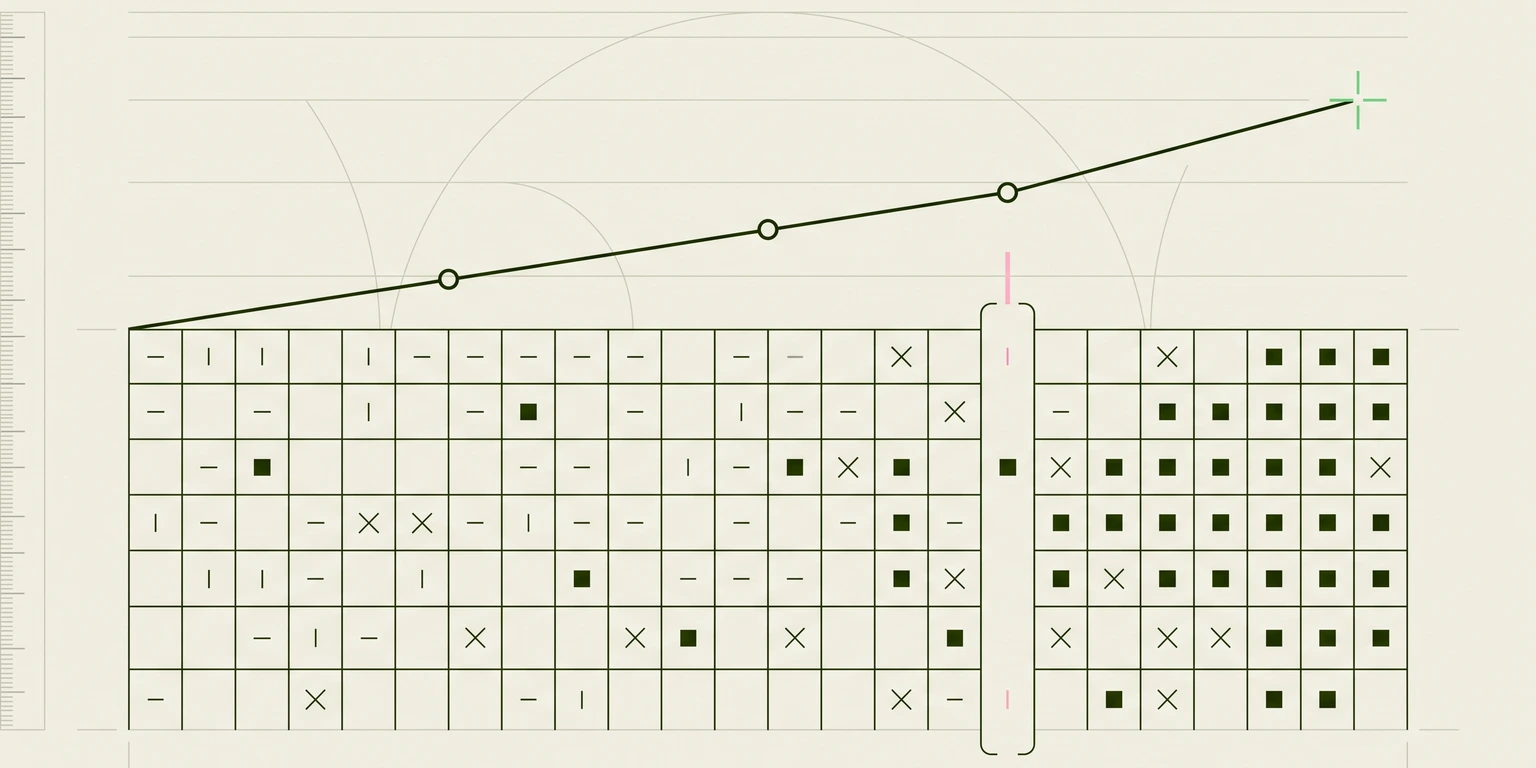
An AEO grader tracks how often AI answer engines like ChatGPT, Perplexity, and Google AI Overviews cite your content for the queries that matter to your business, then scores that citation rate against competitors. The most reliable setups combine manual prompt testing with automated tracking, since neither method alone shows the full picture of how often you get cited.
An AEO grader is the tool for one specific question inside Litebox's guide to how to structure a page so AI engines cite it: once you've applied that structure, how do you actually know it's working? This piece stays narrow, on the mechanics of measuring citation, not on why citation matters in the first place — for the business case, see our guide on how businesses can improve answer engine optimization.
What does an AEO grader actually measure?
An AEO grader measures how often your brand, product, or content gets cited or recommended when someone asks an AI engine a question in your category. This is distinct from search rankings, which measure position on a results page.
A grader instead tracks presence: does ChatGPT name you, does Perplexity link to your page, does Google's AI Overview pull your definition. Most graders report this as a citation rate, a share of voice against named competitors, or both.
Some graders also flag which specific pages or paragraphs get quoted. That tells you what content format the model treats as citable.
How do you manually test whether AI cites your content?
You manually test AEO by running your target queries directly in ChatGPT, Perplexity, Claude, and Google's AI Overview, then logging whether and how you're cited. Start with 10 to 20 queries that map to your actual buyer questions, not just your target keywords.
Run each query fresh, since AI answers vary by session and by prompt phrasing. Record three things for each result: whether you're cited, whether the citation links to your page or just names your brand, and which competitors show up alongside you. Repeat this weekly for a live picture, since AI answers change more often than search rankings do.
What can automated answer engine optimization tools add?
Automated tools add scale and consistency that manual testing can't sustain over time. A handful of platforms built specifically for AI search monitoring, such as Profound and Otterly.ai, run hundreds of prompts against multiple models on a schedule and report citation share as a trend line instead of a single snapshot.
Several established SEO platforms have also added AI search modules that track brand mentions across answer engines alongside classic ranking data.
The tradeoff is that automated tools sample a fixed prompt set, so they can miss the specific long-tail questions your actual buyers ask, which is where manual testing still earns its place.
How often should you re-run an AEO grade?
Re-run your AEO grade on the same cadence as your publishing schedule, typically weekly if you ship content weekly and monthly if you publish less often.
AI answer engines can change what they cite from one session to the next, so a grading cadence built for a stable ranking algorithm will miss real swings in citation rate.
Tie your grading cadence to a specific trigger too: re-run it after publishing a new page targeting a query you're grading, and again two to four weeks later once the page has had time to get crawled and indexed by the models that matter to you.
Is your citation rate a traffic play or a citation play?
Your citation rate is a traffic play when the underlying query has meaningful search volume and a citation would plausibly drive a click. It's a citation play when volume is low but the query sits in a spot where being the cited source builds authority and shows up as a defensive signal to competitors and prospects doing due diligence.
Glossary and definition-style queries in a technical category are usually citation plays: few people search them, but being the source AI cites there compounds over time. Comparison and pricing queries are usually traffic plays, since someone asking "X vs Y pricing" is closer to a decision and more likely to click through.