Technical content writing your developers will actually finish
Litebox provides technical content writing services for B2B software companies: docs, tutorials, SDK guides, and engineering blog posts, written by people who read the code themselves.
Most technical content today is written by someone who's never opened the codebase
A technical writing agency built for B2B software starts from a simple test: can the writer read the code itself. Most technical content agencies skip that test entirely, running the same process for a fintech blog and a DevTools SDK guide, or leaning on AI-generated drafts that read fluently and get the specifics wrong. We're AI-native and use the same tools this page is about; what separates good technical content is editorial judgment, knowing which detail a developer needs and which one is filler, regardless of what produced the first draft.
Four piece types, one editorial plan with a set cadence
Deliverables
Our technical writing services cover four piece types: product docs, step-by-step tutorials, SDK and API guides, and engineering blog posts, all run against one editorial plan with a set publishing cadence. It doesn't include UX copy inside the product itself or paid promotion of the pieces once they're live, those live with product design and the broader growth program respectively.
Product docs
Step-by-step tutorials
SDK and API guides
Engineering blog posts
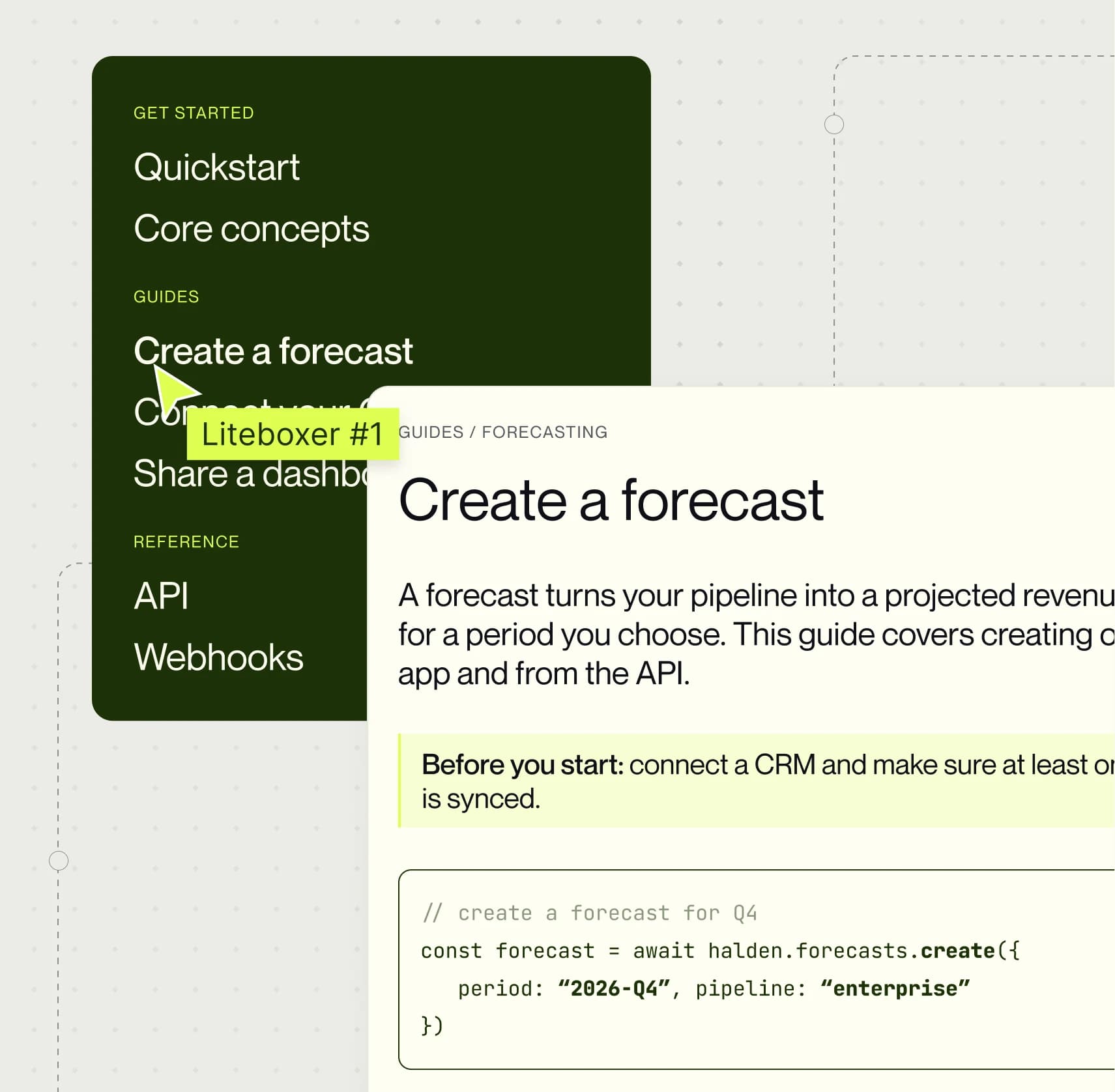
Product docs explain what a feature does and how to configure it, written straight from the codebase and the product itself. They're the first thing an AI engine or a developer checks when they need a precise answer.
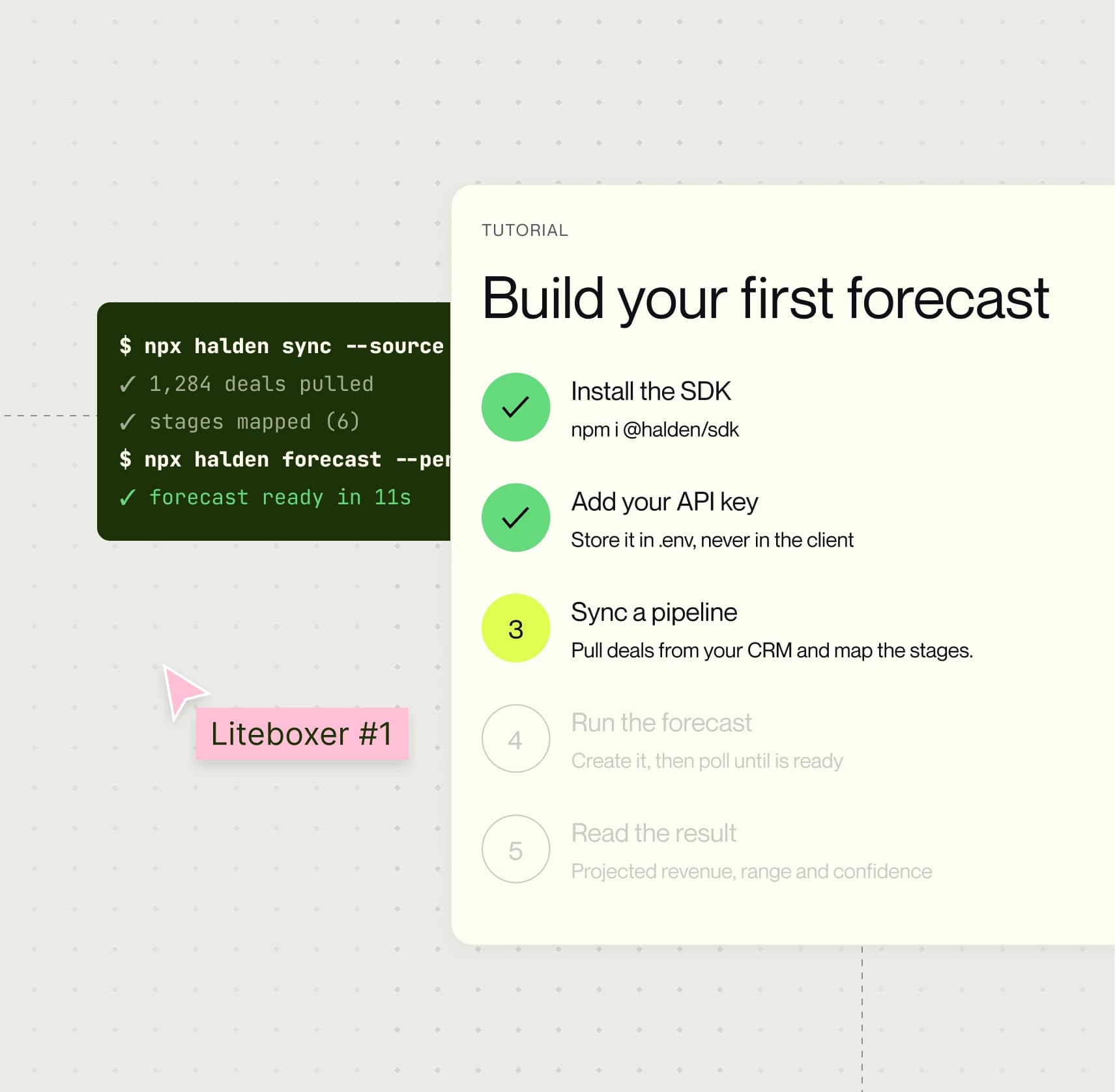
Step-by-step tutorials walk a developer through one real task from start to finish, with working code at every step. Each one is scoped to a single outcome, so it stays useful even if someone finds it mid-task.
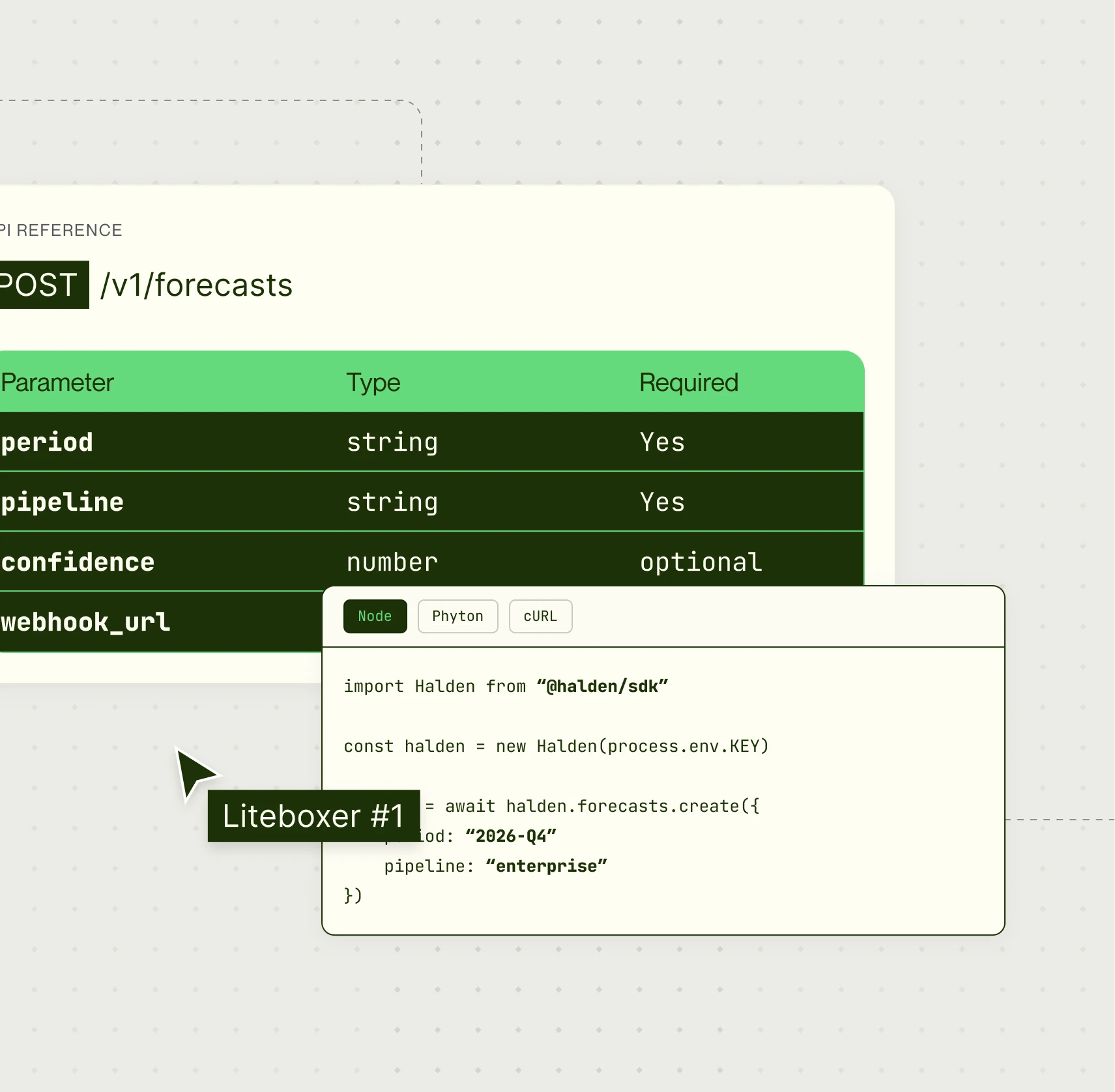
SDK and API guides cover authentication, endpoints, and edge cases in the exact terms the reference docs use, so a developer can move from reading to shipping without translating anything. They're written by someone who has called the API directly.
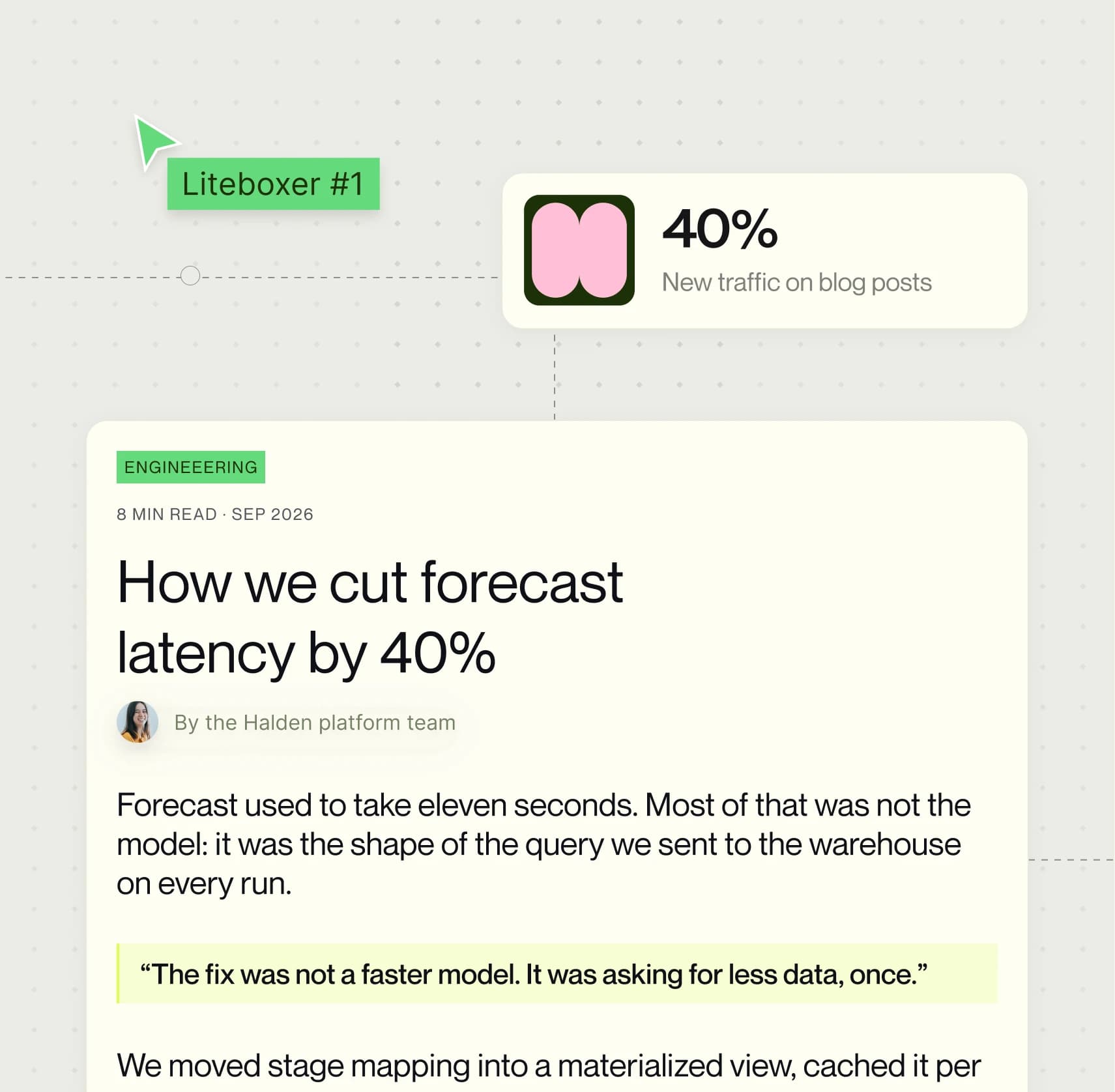
Engineering blog posts explain a real technical decision or trade-off behind the product, the kind of detail that builds credibility with a technical buyer. They run on the same editorial plan as the rest of the content, published on a set cadence.
An editorial plan comes before any writer touches a page
Companies that hire technical writers usually start with a marketplace or a single freelancer, then find the same person can't hold context across a docs migration, three product launches, and an SDK rewrite in the same quarter. Our technical writers are in-house, working from an editorial plan built on real search and AI-citation demand. The plan sets what gets written and in what order before the first draft starts, so the writer already has the context a freelancer would have to rebuild every time.
Measurement covers reads, rankings, and citations
Each piece gets tracked on three things: whether people actually read it, whether it ranks for the query it targeted, and whether an AI engine cites or quotes it when someone asks the question it answers. A piece that ranks but never gets read, or gets read but never ranks, both count as signals the piece still needs work.
Technical content runs inside the growth program
Technical content works best when the same keyword and AI-citation research that drives growth also drives what gets written next. Explore the full range of services.
The questions this service gets most
Getting technical content developers actually read starts with the editorial plan.
Talk to the teamWant to read some first? Explore all the work